Optimal Timing for Waterproofing Projects
Proper timing for waterproofing projects is essential to ensure durability and effectiveness. Weather conditions, temperature, and humidity levels influence the success of waterproofing applications. Selecting an optimal time minimizes the risk of issues such as peeling, cracking, or incomplete adhesion.
Spring offers mild temperatures and increased moisture, ideal for applying waterproofing coatings before heavy rain seasons.
Summer provides warm, dry conditions suitable for most waterproofing materials, ensuring proper curing.
Fall's cooler temperatures and lower humidity levels make it a good time for waterproofing, especially before winter.
Winter is generally not recommended due to cold temperatures and potential for frost, which can hinder application and curing processes.

Ways to make Waterproofings work in tight or awkward layouts.
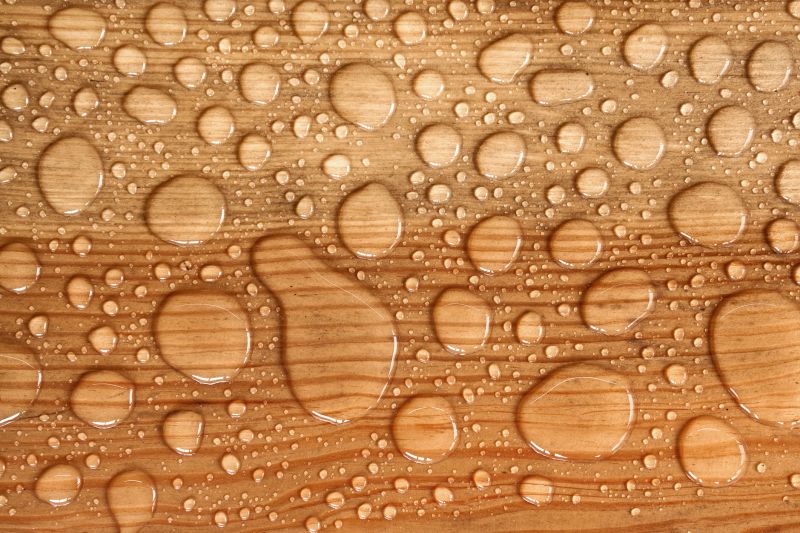
Popular materials for Waterproofings and why they hold up over time.

Simple add-ons that improve Waterproofings without blowing the budget.

High-end options that actually feel worth it for Waterproofings.

Finishes and colors that play nicely with Waterproofings.

Little measurements that prevent headaches on Waterproofings day.
Waterproofings are essential for protecting structures from water infiltration, which can cause significant damage over time. Proper waterproofing extends the lifespan of buildings, prevents mold growth, and maintains structural integrity. Different waterproofing methods include membrane systems, sealants, coatings, and flashing. The choice depends on the specific application, surface type, and environmental conditions.
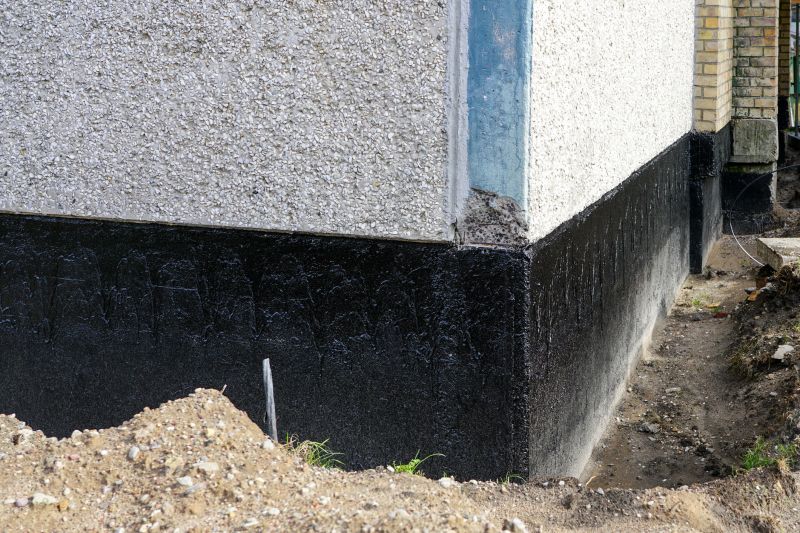
A 60-second routine that keeps Waterproofings looking new.
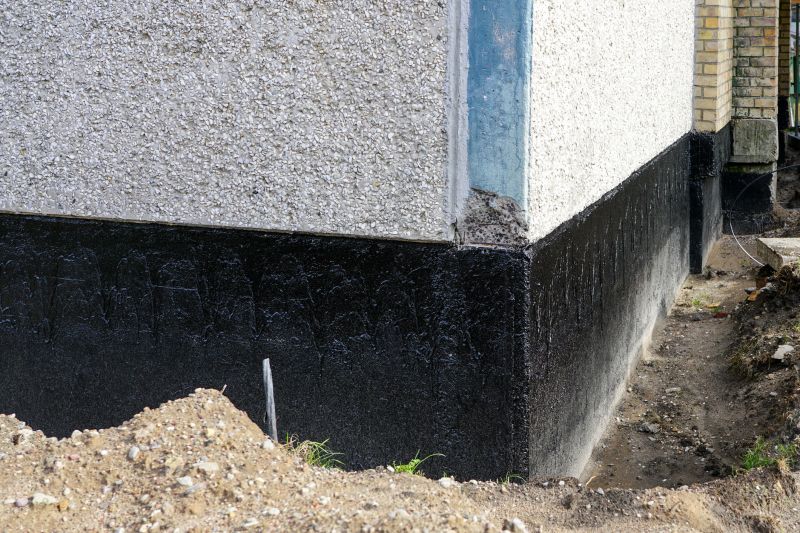
A frequent mistake in Waterproofings and how to dodge it.
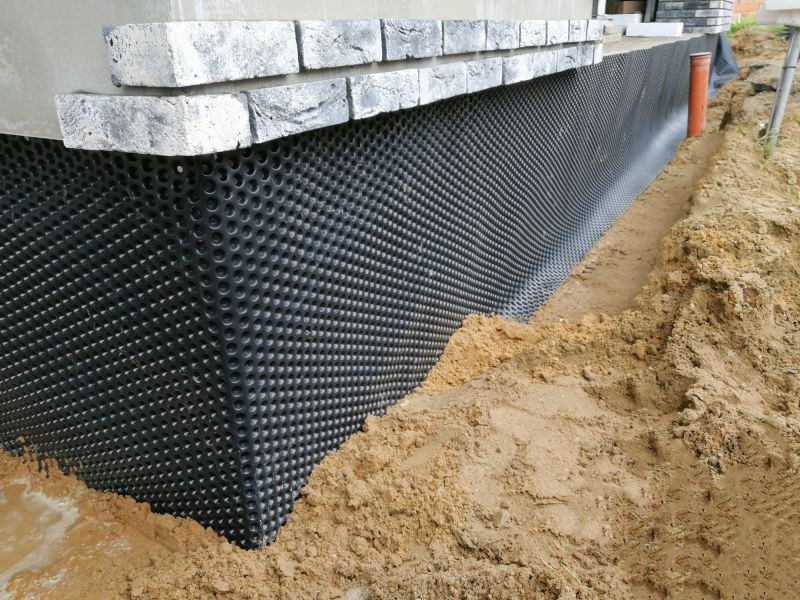
Small tweaks to make Waterproofings safer and easier to use.
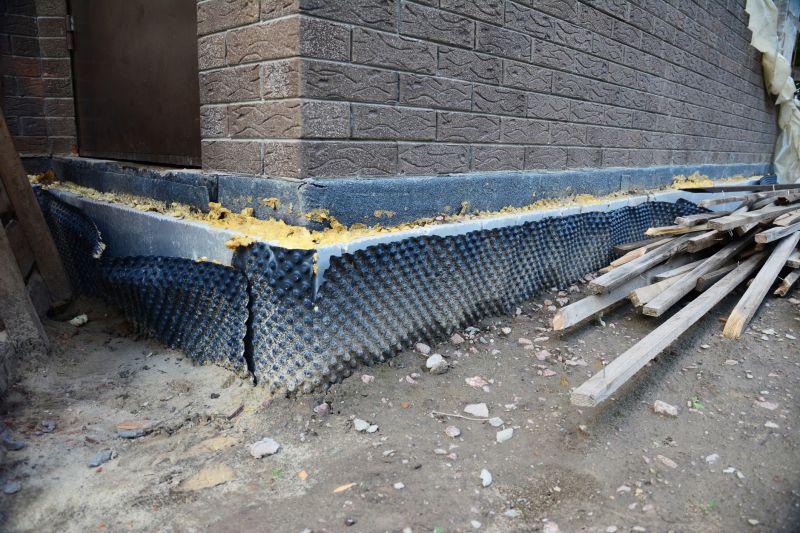
Lower-waste or water-saving choices for Waterproofings.
| Season | Ideal Conditions |
|---|---|
| Spring | Moderate temperatures, increased moisture, dry days |
| Summer | Warm, dry weather with low humidity |
| Fall | Cooler temperatures, low humidity, dry conditions |
| Winter | Cold temperatures, frost risk, not recommended |
Timing waterproofing projects appropriately enhances their effectiveness and longevity. Selecting the right season helps ensure proper application, curing, and adhesion of waterproofing materials. Consulting with professionals can aid in determining the best schedule based on local climate patterns and project requirements.
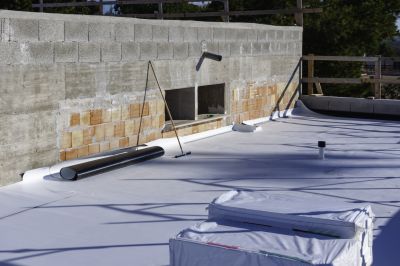
The short, realistic tool list for quality Waterproofings.
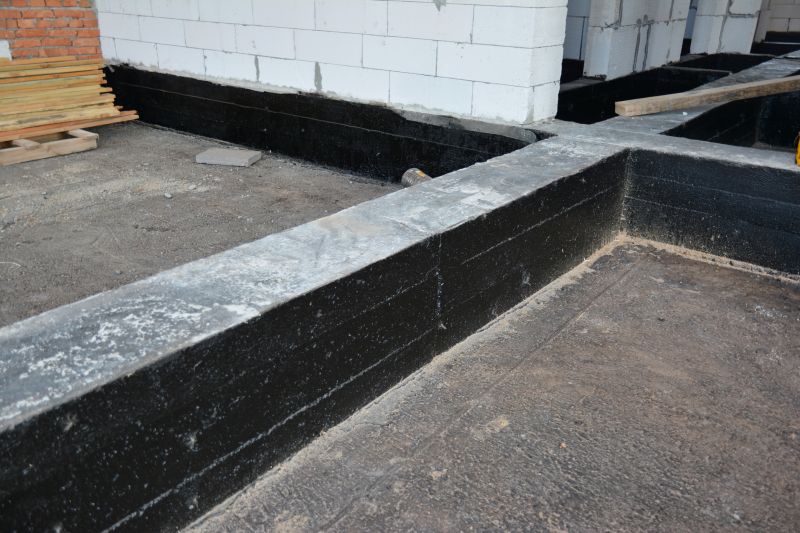
Rough timing from prep to clean-up for Waterproofings.
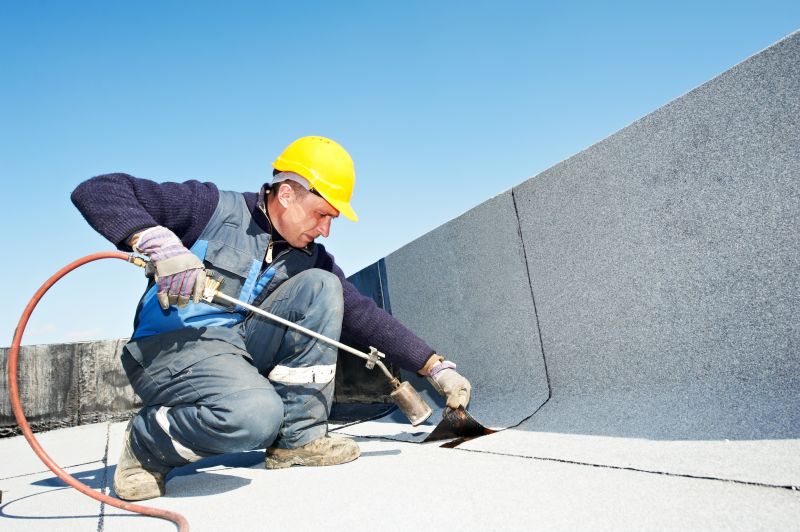
Quick checks and paperwork to keep after Waterproofings.
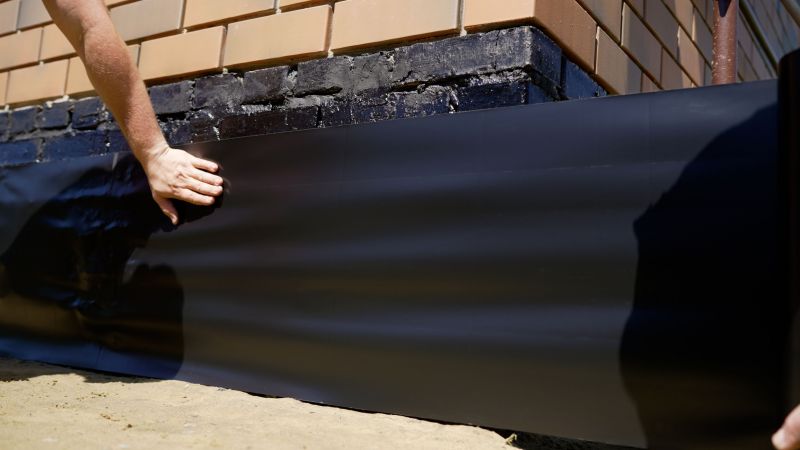
Examples that show the impact a good Waterproofings can make.
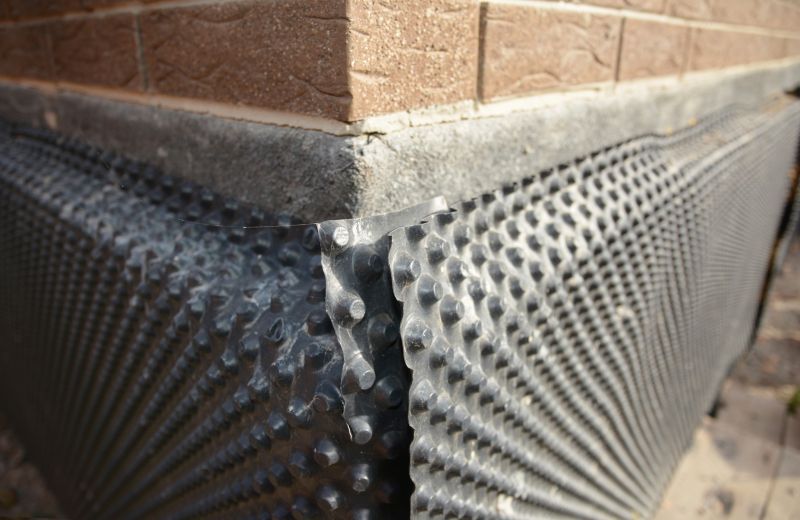
Ways to make Waterproofings work in tight or awkward layouts.
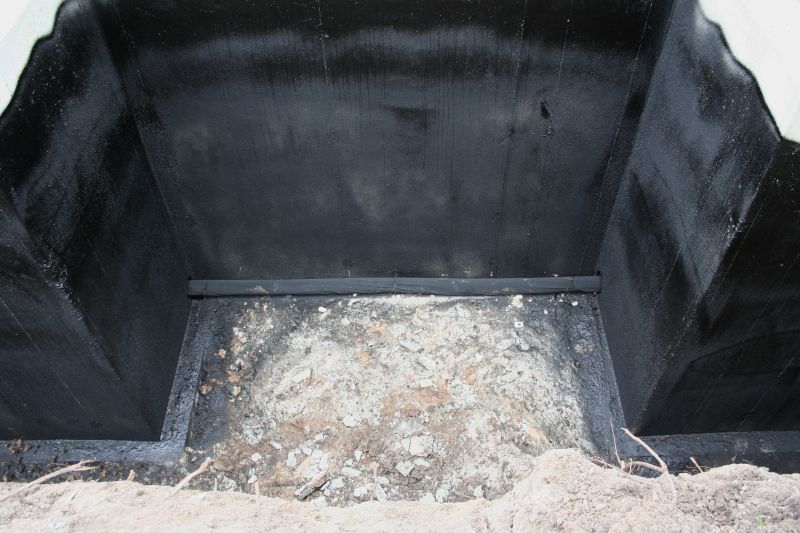
Ways to make Waterproofings work in tight or awkward layouts.
Interested in waterproofing services? Filling out the contact form provides an opportunity to discuss project specifics, schedule, and options for protecting structures from water damage effectively.